
Mobile game marketing combines ASO, paid ads, influencer partnerships, community building, and data analytics to drive installs, retention, and revenue. A successful strategy focuses on understanding players, optimizing performance, and building long-term engagement. With the right mix of creativity and data, mobile games can stand out, scale globally, and achieve sustainable growth.
The mobile gaming industry is booming, with more than 2.7 billion gamers worldwide. For game developers, this surge in players is brimming with opportunities—but the competition is fierce. A successful mobile game launch requires more than just a well-developed app; it demands a thoughtful and data-driven marketing strategy.
Why Mobile Game Marketing Matters
Mobile games are among the most downloaded apps globally, yet they also face some of the highest churn rates. A strong marketing strategy ensures that your game stands out, resonates with your target audience, and builds long-term player engagement. Here’s why you can’t ignore marketing for your mobile game:
- Intense Competition: With millions of games available on app stores, visibility is everything.
- Retention: A well-crafted strategy keeps players coming back.
- ROI Potential: Marketing creates a direct path to monetization via in-app purchases, subscriptions, and ads.
It’s not just about driving installs; it’s about creating a brand and community around your game.
Crafting a Mobile Game Marketing Strategy
1. Understand Your Target Audience
Who is your ideal player? Casual gamers? Hardcore FPS fans? Understanding your audience is the foundation of any marketing campaign. Consider factors like age, gender, geography, and gaming behavior. Use these insights to tailor your advertising, tone, and game design.
Example
A puzzle game for women aged 25-34 might focus on vibrant visuals and stress-relief messaging, while a competitive RPG could target teen males with action-packed trailers.
2. App Store Optimization (ASO)
App Store Optimization (ASO) is the process of improving your game’s visibility and download rate on app stores like Google Play and Apple’s App Store. Optimization is key to boosting organic installs.
Key factors of ASO include:
- Keyword Research: Use relevant keywords for your title and game description.
- Icon Design: Create eye-catching icons that represent your game.
- Screenshots & Trailers: Showcase vibrant, engaging app screenshots and a short gameplay trailer.
Include action-based keywords like “strategy games,” “casual arcade fun,” or “multiplayer battle royale” in your app listing to enhance search visibility.
3. Leverage Social Media for Reach
Marketing on platforms like Facebook, Instagram, TikTok, and Twitter can amplify your game’s reach. Social media channels allow you to showcase your game’s trailer, features, and updates.
- Post teaser trailers and gameplay clips to engage potential players.
- Collaborate with influencers or streamers who play similar games.
- Run interactive campaigns like challenges or fan art contests.
TikTok Pro Tip
Short, action-packed video clips of gameplay with trending audio can go viral and attract millions of views.
4. Paid Advertising for Maximum Impact
Paid mobile game ads can drive traffic at scale. Utilize platforms like Facebook Ads, Google Ads, and TikTok Ads for highly targeted campaigns.
Types of Ads to Consider:
- Playable Ads: Allow users to experience a “mini demo” of your game.
- Video Ads: Short, engaging video trailers showing off the best features of your game.
- Rewarded Ads: Offer in-game rewards to users who watch your ad.
Use A/B testing to experiment with different ad creatives, targeting options, and formats to find what works best.
5. Community Building & Player Engagement
A passionate gaming community drives word-of-mouth marketing. Building a tight-knit, engaging community ensures long-term retention. For deeper insights on leveraging influencers to support community engagement.
Ways to build a player base include:
- Set up social media groups or discord servers for players to connect.
- Actively respond to player feedback and bug reports.
- Host competitions, giveaways, or seasonal events to spark excitement.
Building hype around in-game updates or private beta testing can help keep players invested in your game.
6. Retarget Lapsed Players
Not everyone who downloads your game will stay engaged. Retargeting players who have stopped playing is an essential step to re-engage them.
Use retargeting ads and personalized notifications that remind players why they downloaded your game in the first place. Tools like Firebase or Leanplum can help you craft data-driven push notifications with re-engagement offers like:
- “Come back and enjoy 100 free coins!”
- “Don’t miss our special event! Play now!”
Email Marketing for Mobile Games
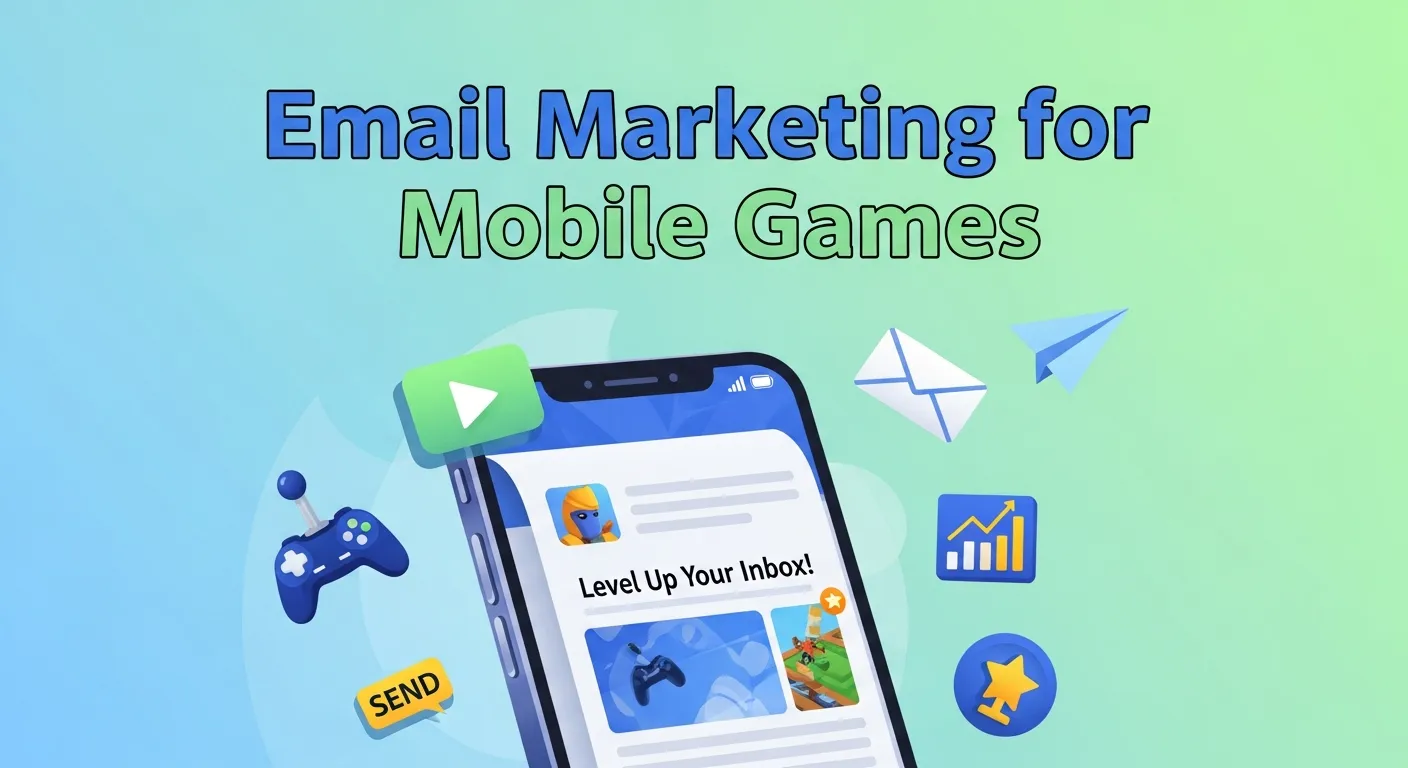
Email marketing supports long-term player engagement. While less immediate than push notifications, emails are ideal for updates, event announcements, and exclusive offers. Segmentation allows personalized messaging based on player behavior and spending patterns. Email campaigns nurture loyalty and support re-engagement strategies. Combined with in-game messaging, email strengthens retention and monetization while maintaining a direct communication channel with players.
Branding Your Mobile Game
Strong branding differentiates your game in crowded app stores. Your logo, color palette, typography, and tone should communicate the game’s personality instantly. Consistent branding across app listings, ads, social media, and community platforms builds recognition and trust. A clear brand identity also improves word-of-mouth marketing. Players are more likely to remember and recommend a game that feels polished and cohesive. Branding goes beyond visuals—it includes storytelling, characters, and emotional appeal. A memorable brand increases lifetime value and strengthens long-term engagement.
Storytelling as a Marketing Tool
Storytelling is a powerful way to emotionally connect with players. Games that communicate a compelling narrative through trailers, ads, and social content attract deeper engagement. Instead of focusing only on features, show players the experience and journey they’ll be part of. Character-driven stories, lore reveals, and episodic teasers can significantly boost interest. Storytelling also helps influencers and streamers create engaging content around your game. A strong narrative increases retention and builds a loyal fan base that stays invested beyond the initial install.
Influencer Marketing for Mobile Games
Influencer marketing remains one of the most effective growth channels for mobile games. Gamers trust creators who play and review games authentically. Micro-influencers often deliver higher engagement at lower costs. Partnering with YouTubers, Twitch streamers, and TikTok creators allows your game to reach niche audiences organically. Influencer gameplay videos showcase real mechanics and reduce user skepticism. Long-term partnerships outperform one-off promotions by building credibility over time. Influencer-driven installs also tend to have higher retention and monetization rates.
Measuring Success in Mobile Game Marketing
Marketing efforts are only as effective as their results. To gauge the success of your strategy, track these key performance indicators (KPIs):
- Install Rates
- Retention Rates (Day 1, 7, 30)
- Cost Per Install (CPI)
- Lifetime Value (LTV)
Use tools like Adjust, AppsFlyer, or Google Analytics to monitor these KPIs. Tracking KPIs is not a one-time activity. Use these insights to constantly refine your campaigns.
What Mobile Game Marketers Should Avoid
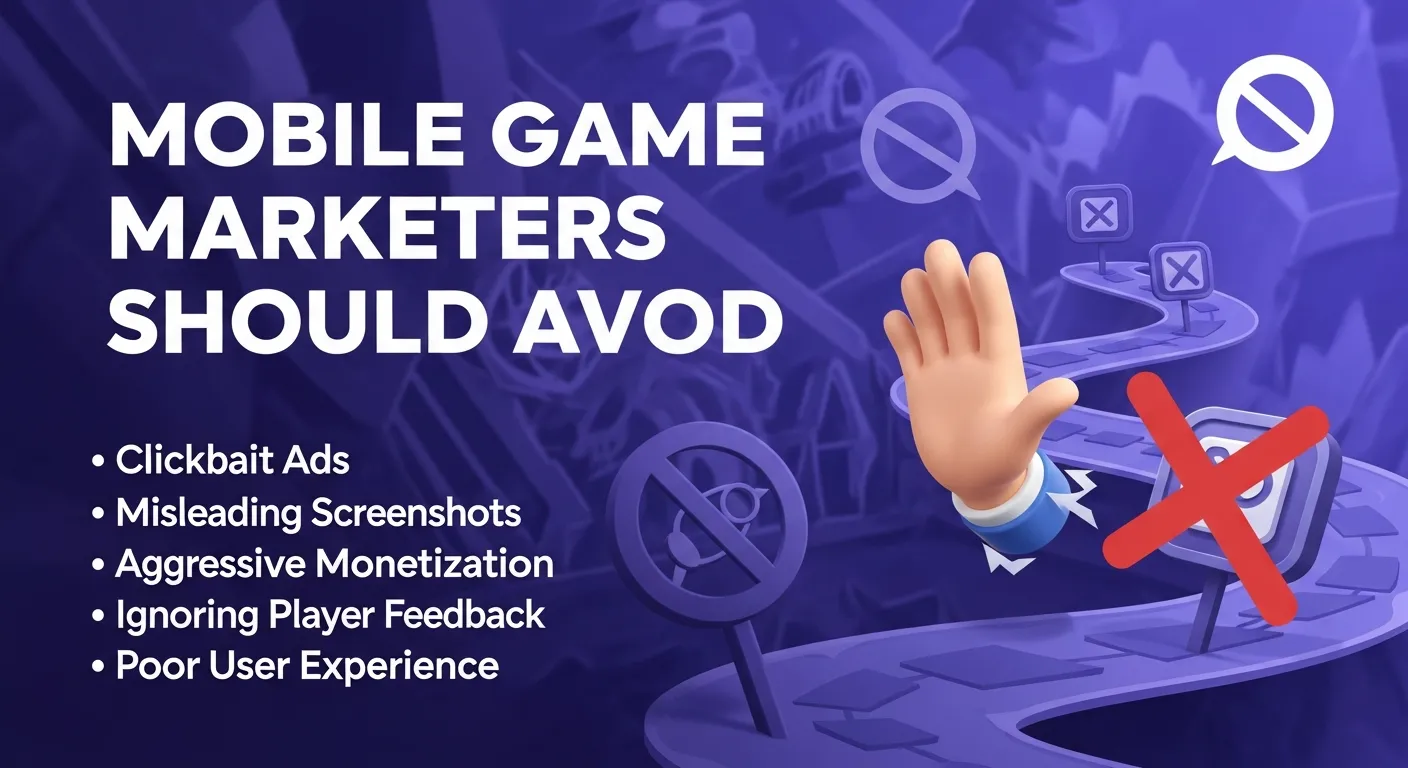
Common marketing mistakes can derail even the best campaigns. Here’s what to avoid:
- Neglecting ASO: Without app store optimization, your game won’t generate organic installs.
- Ignoring Player Feedback: Players who feel ignored are less likely to stay engaged.
- Overpromising in Ads: Ads that don’t align with the actual game can result in backlash and high uninstall rates.
- Skipping Influencers: Gaming influencers are key to credibility and reach.
Take Your Game to the Next Level
Mobile game marketing is an ongoing process that combines creativity, analytics, and player engagement to create a loyal community around your game. The strategies outlined above will not only help attract new players but also foster long-term growth and revenue.
Looking for even more firepower to stand out in the crowded gaming space? Explore tools like Jasper AI to create compelling ads, engaging social media captions, and even enhance your in-game messages.
Conclusion
Mobile game marketing is no longer optional—it is the backbone of sustainable success in a highly competitive industry. From ASO and influencer marketing to community building and data-driven optimization, every strategy plays a critical role in attracting and retaining players. By focusing on storytelling, personalization, analytics, and long-term growth, developers can transform their games into thriving brands. Consistent experimentation and player-first marketing ensure lasting engagement, stronger monetization, and scalable success.
Frequently Asked Questions (FAQs) – Extended
1. What is mobile game marketing?
Mobile game marketing is the process of promoting mobile games to attract downloads, retain players, and increase in-app monetization. It combines strategies like App Store Optimization (ASO), paid advertising, influencer partnerships, content marketing, social media campaigns, and community engagement. Effective mobile game marketing ensures that games reach the right audience, generate high-quality users, and maintain long-term engagement for sustainable revenue.
2. Why is mobile game marketing important?
Marketing is essential because millions of games compete for visibility on app stores. Without promotion, even a high-quality game may go unnoticed. Mobile game marketing helps boost organic downloads, retain players, improve monetization through in-app purchases or ads, and build a loyal community around your game. It directly impacts ROI and long-term business growth.
3. What is ASO in mobile gaming?
App Store Optimization (ASO) is the process of optimizing your game listing on app stores like Google Play and Apple App Store to increase visibility and downloads. It involves using relevant keywords, creating appealing icons, screenshots, and gameplay trailers, writing compelling descriptions, and optimizing app ratings and reviews. Effective ASO drives organic traffic and reduces the need for excessive paid advertising.
4. Are influencers effective for mobile games?
Yes, influencer marketing is highly effective for mobile games. Gamers trust content creators who provide honest gameplay reviews. Collaborating with YouTubers, Twitch streamers, and TikTok creators exposes your game to targeted, engaged audiences. Influencers can drive high-quality installs, improve retention, and increase in-app spending because their followers trust their recommendations more than traditional ads.
5. How much should I spend on mobile game marketing?
Marketing budgets vary depending on game genre, target audience, competition, and growth goals. Indie developers may start with micro-budget campaigns using social media, ASO, and influencer collaborations, while larger studios may allocate significant funds for paid advertising, global campaigns, and influencer partnerships. Tracking ROI and performance metrics ensures that every dollar spent is effective.
6. What KPIs matter most?
Key performance indicators (KPIs) for mobile game marketing include:
-
Installs – total number of downloads
-
Retention rates – Day 1, Day 7, and Day 30
-
Cost per Install (CPI) – efficiency of paid campaigns
-
Lifetime Value (LTV) – predicted revenue per player
-
Return on Ad Spend (ROAS) – overall campaign profitability
Monitoring these KPIs helps optimize strategies and maximize revenue.
7. Is paid advertising necessary?
Paid advertising accelerates growth, especially in competitive niches, but it works best when combined with organic strategies like ASO, influencer marketing, and social media campaigns. Ads such as playable demos, video trailers, and rewarded placements drive installs, but relying solely on paid ads can be expensive. Integrating both organic and paid methods ensures scalable and cost-effective results.
8. How do I reduce churn?
Churn occurs when players stop engaging with your game. To reduce churn, focus on:
-
Optimized onboarding processes that clearly explain gameplay
-
Regular content updates, events, and rewards to maintain excitement
-
Personalized push notifications, emails, or in-game messages
-
Gathering feedback and quickly addressing bugs
Retention strategies help maximize player lifetime value and improve overall revenue.
9. Which platforms work best?
Platform choice depends on your target audience and marketing goals. Popular platforms include:
-
TikTok – viral short-form gameplay clips and challenges
-
YouTube – detailed tutorials, reviews, and streaming content
-
Facebook & Instagram – targeted ads and community engagement
-
Discord – direct community building and player interaction
Using multiple platforms ensures broad reach and diversified growth.
10. What is soft launch testing?
Soft launch testing involves releasing your game in limited regions before a global launch. It allows you to test gameplay, monetization, user retention, ad creatives, and technical stability with real players. Insights from a soft launch guide improvements, optimize campaigns, and reduce risks associated with a full-scale release.
11. Can indie developers compete?
Absolutely. Indie developers can succeed by targeting niche audiences, leveraging creative marketing, collaborating with micro-influencers, and focusing on retention and community engagement. Strategic ASO, viral social media campaigns, and thoughtful monetization can help indie games stand out against larger studios, often achieving high ROI with smaller budgets.
12. How long does marketing take to work?
Mobile game marketing results improve steadily over weeks and months. Initial campaigns may increase visibility and downloads within the first few weeks, but retention, community building, and monetization take longer to mature. Continuous optimization, content updates, and data-driven adjustments ensure long-term growth and profitability.