
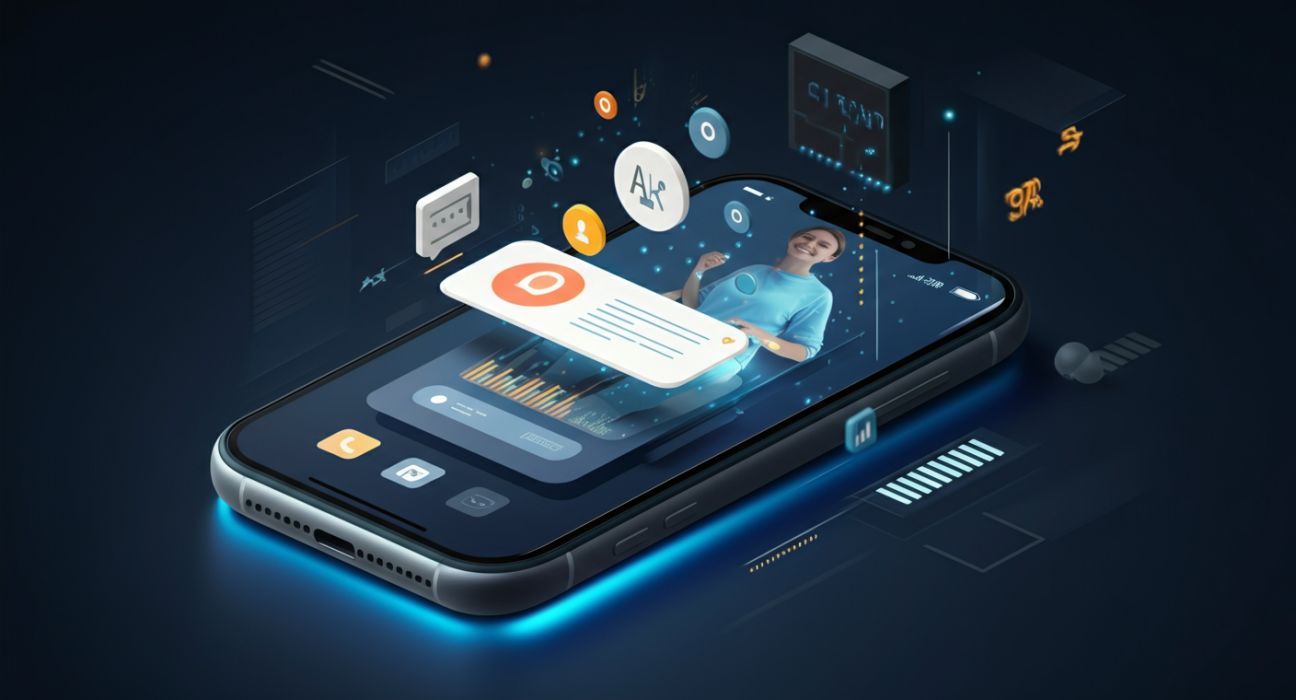
AI-powered personalization transforms mobile marketing by using machine learning and data analytics to deliver tailored content, offers, and recommendations. It enhances engagement, boosts conversions, and fosters loyalty through predictive analytics, dynamic content, and recommendation engines. By integrating AI tools, automating workflows, and continuously optimizing campaigns, businesses can create highly relevant, real-time experiences that drive measurable growth and long-term customer retention.
In today’s fast-paced digital landscape, consumers expect highly relevant and personalized experiences on their mobile devices. AI-powered personalization leverages advanced algorithms and data analytics to deliver tailored content, offers, and recommendations that resonate with individual users. By moving beyond generic campaigns, businesses can increase engagement, boost conversions, and foster long-term loyalty.
This shift toward personalized mobile experiences is driven by evolving consumer expectations and the competitive need for brands to stand out in crowded markets. Users now anticipate that brands understand their preferences, anticipate their needs, and deliver relevant interactions at the right time. AI-powered personalization makes this possible by analyzing vast amounts of user data, including behavioral patterns, purchase history, app usage, and demographic information, to create actionable insights.
By harnessing these insights, businesses can craft hyper-targeted messages, push notifications, and in-app content that feel relevant and timely. Unlike traditional marketing methods, which often rely on broad segmentation or one-size-fits-all messaging, AI personalization allows for real-time adjustments, predictive recommendations, and dynamic content tailored to each individual.
Ultimately, AI-driven mobile personalization empowers companies to foster stronger connections with their audience, improve customer satisfaction, and drive measurable business outcomes. It represents a strategic approach to engaging consumers in a way that feels intuitive, valuable, and uniquely suited to their personal preferences, ensuring brands remain competitive in an increasingly digital-first world.
What Is AI-Powered Personalization?
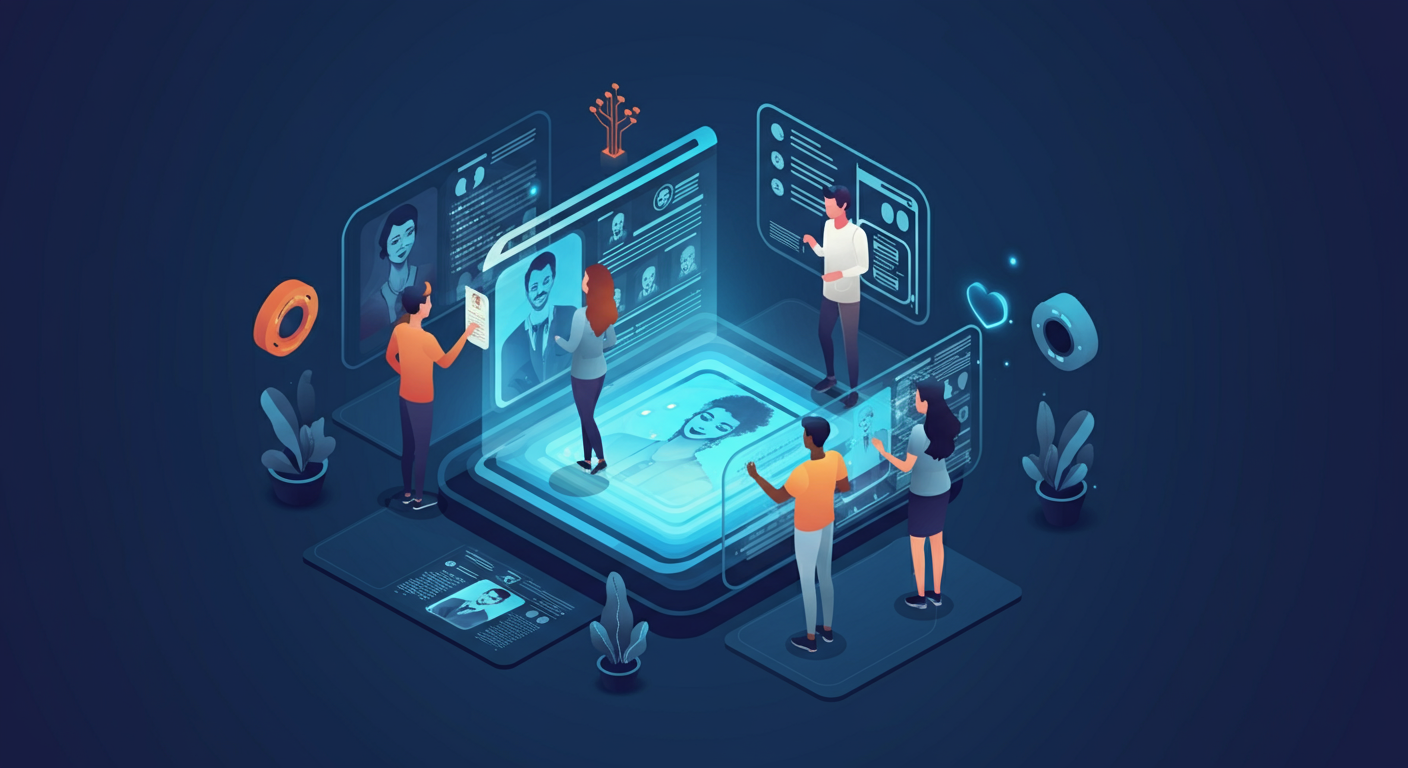
AI-powered personalization refers to the use of machine learning (ML) models and artificial intelligence (AI) techniques to automatically analyze user data and behavior for the purpose of tailoring marketing messages. Unlike rule-based personalization, which relies on predefined segments, AI-based systems learn from real-time interactions, predict future behaviors, and dynamically adapt content.
In the context of mobile marketing, this enables businesses to deliver the right offers, notifications, and in-app experiences at the most relevant times and through the most effective channels. By continuously analyzing user behavior, AI can detect patterns that humans might miss, uncovering hidden preferences and predicting what content or offers will resonate with individual users.
This dynamic adaptability allows marketers to move beyond static campaigns, providing experiences that are highly personalized and timely. Over time, as AI algorithms evolve and learn from more interactions, the system becomes increasingly sophisticated, enabling deeper levels of customization that not only enhance user engagement but also drive measurable business results such as higher conversions, improved retention, and increased customer lifetime value. Learn more about Benefits of Mobile Marketing.
Benefits of AI Personalization in Mobile Marketing
- Enhanced User Engagement: Personalized push notifications, in-app messages, and content recommendations directly appeal to individual interests and preferences, increasing click-through rates (CTR) and open rates. By delivering content that feels relevant, users are more likely to interact with the app, spend more time exploring features, and engage consistently.
- Higher Conversion Rates: AI-powered systems analyze user behavior to provide tailored product suggestions, optimize call-to-action (CTA) placements, and present timely offers. This leads to higher sales, reduced cart abandonment, and improved overall conversion rates, as users are guided toward products and services they are most likely to purchase.
- Improved Customer Retention: Delivering relevant, personalized content fosters brand loyalty and encourages repeat visits. Users feel understood and valued, which reduces churn and strengthens long-term relationships with the brand. Consistently positive experiences help build trust and enhance lifetime value.
- Efficient Marketing Spend: By targeting high-value segments with precision, AI personalization ensures that marketing budgets are used effectively. Campaigns are directed at users most likely to engage or convert, maximizing return on investment (ROI) and minimizing wasted spend on less responsive audiences.
- Real-Time Optimization: AI systems continuously monitor live performance data and adjust campaigns dynamically. This allows marketers to instantly refine messaging, recommendations, and targeting based on user interactions, ensuring continuous improvement and highly effective, data-driven personalization strategies.
Key AI Techniques for Mobile Personalization
Data Collection & User Profiling
Effective personalization starts with robust data collection, including in-app behavior, location, device usage, and demographic details. AI-powered data platforms aggregate and process these multiple data streams to create detailed user profiles. By applying clustering algorithms, marketers can segment audiences into microgroups with shared characteristics, enabling highly targeted messaging.
Predictive Analytics & Machine Learning
Dynamic Content & Recommendation Engines
Recommendation engines use collaborative filtering and content-based algorithms to serve personalized product suggestions, articles, or in-app features. Dynamic content capabilities enable marketers to swap images, headlines, and offers in real time, ensuring each user sees the most relevant creative assets. This level of customization can dramatically increase engagement and revenue per user.
Implementing AI Personalization in Your Mobile Marketing Strategy
Integrating AI-driven personalization into your mobile marketing strategy involves several critical steps. Follow this roadmap to ensure a smooth implementation and maximize ROI.
1. Define Clear Goals & KPIs
Establish specific objectives such as improving retention rates, increasing average order value, or boosting app engagement. Select key performance indicators (KPIs) that align with these goals, such as click-through rates, conversion rates, lifetime value, and churn metrics.
2. Gather & Integrate Data
Collect data from multiple touchpoints, including mobile apps, websites, CRM systems, and third-party sources. Use a unified customer data platform (CDP) or data management solution to centralize information. Ensure compliance with privacy regulations such as GDPR and CCPA during data collection and storage.
3. Segment & Enrich User Profiles
Leverage AI models to analyze user behavior and segment audiences into micro-groups based on interests, purchase history, and engagement patterns. Enrich profiles with external data points like social media interests or browsing habits to refine personalization further.
4. Deploy AI Tools & Automate Workflows
Implementing AI-driven marketing platforms enables businesses to deliver highly personalized experiences efficiently. These platforms often include features like predictive analytics to anticipate user behavior, recommendation engines to suggest relevant products or content, and dynamic content generation to tailor messaging in real time.
Automation allows campaigns to trigger personalized messages at critical touchpoints—for example, welcoming new users during onboarding, reminding customers about abandoned carts, or sending targeted follow-ups after a purchase. By combining AI insights with workflow automation, marketers can ensure timely, relevant interactions that enhance engagement, drive conversions, and improve overall customer satisfaction, all while reducing manual effort and operational complexity.
5. Test, Optimize, & Scale
Continuous testing is essential for maximizing the impact of AI-powered personalization. By running A/B tests on messaging, creative assets, and targeting criteria, marketers can determine which variations resonate most with different audience segments. Performance metrics—such as click-through rates, conversions, and engagement—provide actionable insights to refine AI model parameters and improve predictions.
Once successful strategies are identified, scale these campaigns across additional audience segments, devices, and marketing channels. This approach ensures broader reach while maintaining relevance and personalization. Iterative testing and optimization not only enhance campaign performance but also enable businesses to leverage AI insights for sustained growth and improved customer experiences over time.
Real-World Examples
Leading brands are already leveraging AI personalization to transform their mobile experiences. For example, a global retailer uses AI to recommend products based on in-app browsing and past purchases, increasing average order value by 15%. A media company delivers personalized news feeds and push notifications that result in a 20% boost in daily active users. Even small businesses can adopt AI chatbots on mobile to provide instant support and tailored offers, significantly improving customer satisfaction.
Measuring Success & Key Metrics
Monitoring the impact of AI personalization requires tracking specific metrics that reflect user engagement and revenue. Key indicators include:
- Click-Through Rate (CTR): Measures the effectiveness of personalized notifications and messages.
- Conversion Rate: Tracks how well tailored recommendations lead to purchases or desired actions.
- Average Order Value (AOV): Indicates the revenue uplift generated by AI-driven suggestions.
- Customer Lifetime Value (CLV): Assesses long-term revenue impact from personalized experiences.
- Churn Rate: Evaluates retention improvements as a result of targeted outreach.
Challenges & Best Practices
While AI personalization offers significant benefits, marketers should be mindful of potential challenges:
- Data Privacy Concerns: Ensure transparent data policies and obtain user consent to build trust and comply with regulations.
- Data Quality Issues: Inaccurate or incomplete data can lead to irrelevant recommendations and poor user experiences.
- Integration Complexity: Integrating AI tools with existing martech stacks requires careful planning and technical expertise.
- Overpersonalization: Excessive customization can feel intrusive; balance personalization with user privacy and choice.
Best practices include maintaining data hygiene, regularly auditing AI models, and implementing user feedback loops. By addressing these challenges proactively, businesses can maximize the impact of their AI-driven campaigns.
Future Trends in AI-Powered Mobile Marketing
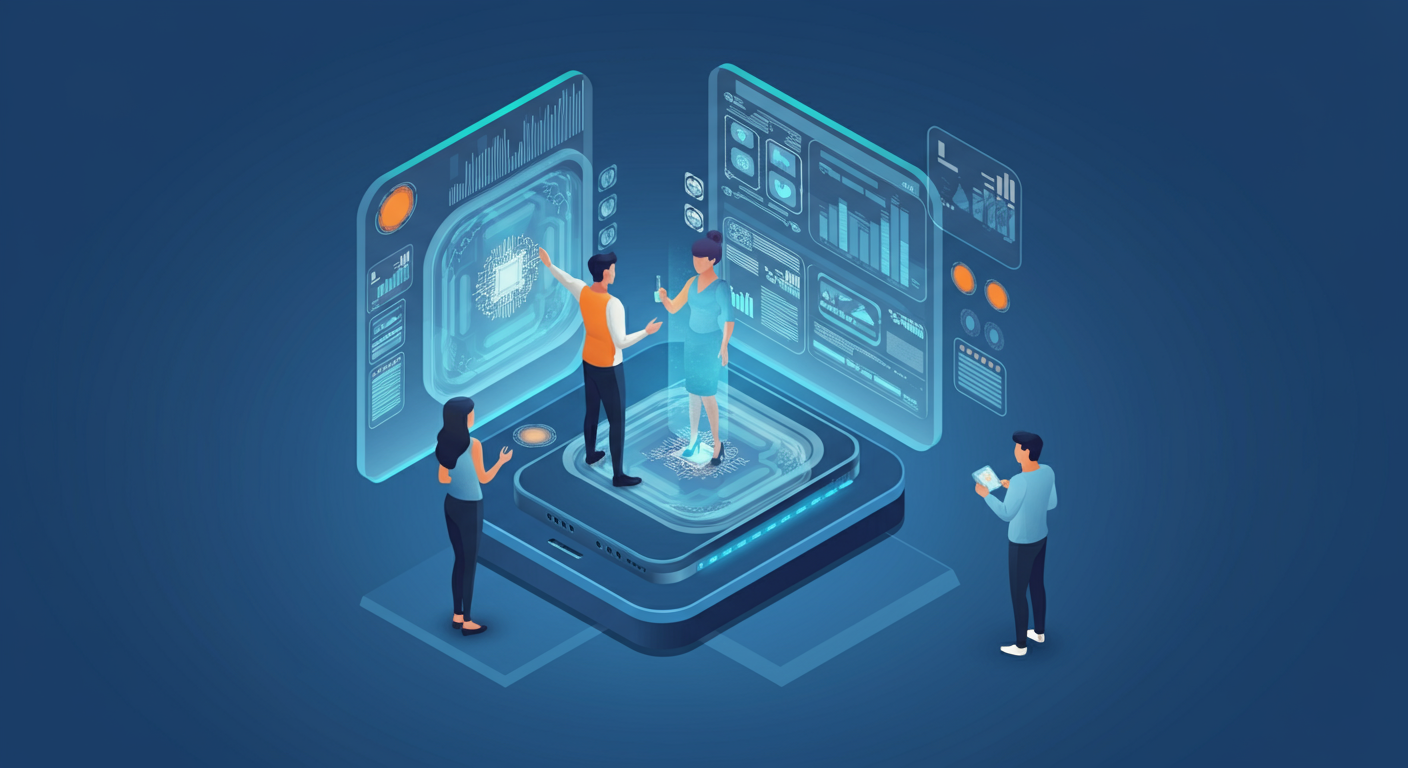
As AI technologies continue to evolve, several emerging trends will shape the future of mobile marketing:
- Voice and Conversational AI: Integrating voice assistants and chatbots for seamless conversational experiences on mobile devices.
- Augmented Reality (AR) Personalization: Combining AR overlays with AI to deliver immersive, context-aware marketing promotions.
- Hyperlocal Targeting: Leveraging geolocation data and AI to deliver real-time offers based on users’ immediate surroundings.
- Ethical AI Practices: Emphasizing transparency in algorithmic decision-making and bias mitigation to foster consumer trust.
Conclusion
AI-powered personalization is revolutionizing mobile marketing by enabling brands to deliver highly relevant, timely, and engaging experiences. By harnessing the power of machine learning and real-time data, businesses can increase customer satisfaction, drive conversions, and build lasting loyalty. While implementation requires careful planning, data governance, and ongoing optimization, the potential rewards are substantial. Start defining clear objectives, invest in the right AI tools, and continuously refine your approach to stay ahead in the competitive mobile landscape.
FAQs:
1. What is AI-powered personalization in mobile marketing?
It uses AI and machine learning to analyze user behavior and deliver tailored content, notifications, and recommendations in real time, enhancing engagement and conversions.
2. How does AI improve user engagement?
By sending personalized push notifications, in-app messages, and recommendations that match individual preferences, AI increases click-through rates and app usage.
3. What data is used for AI personalization?
AI uses data such as in-app behavior, purchase history, location, device usage, demographics, and external sources like social media for detailed user profiling.
4. What are the benefits of AI personalization?
Benefits include higher engagement, improved conversions, customer retention, efficient marketing spend, and real-time optimization of campaigns.
5. What are common challenges in AI personalization?
Challenges include data privacy concerns, poor data quality, integration complexity, and overpersonalization that may annoy users.
6. How can businesses measure AI personalization success?
Metrics include click-through rate (CTR), conversion rate, average order value (AOV), customer lifetime value (CLV), and churn rate.
7. What future trends are shaping AI mobile marketing?
Voice AI, augmented reality personalization, hyperlocal targeting, and ethical AI practices are key emerging trends for mobile personalization.