
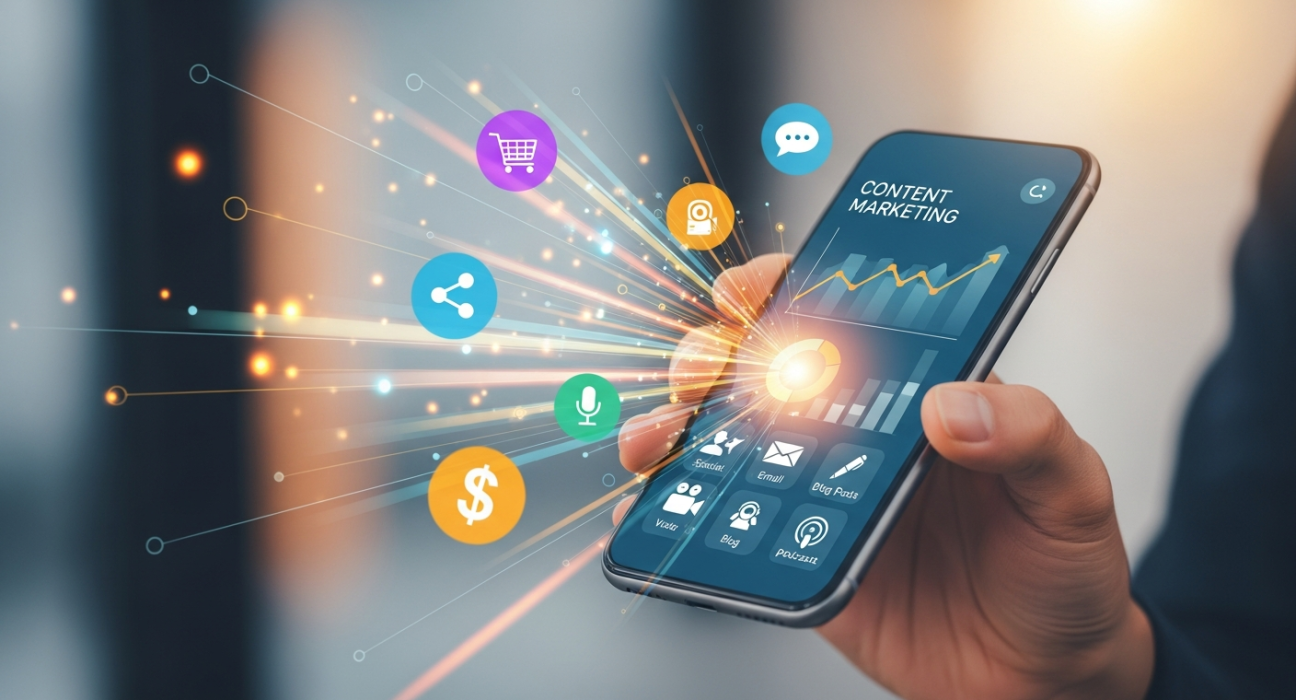
Mobile content marketing focuses on fast, engaging, mobile-first experiences. With responsive design, visual storytelling, personalization, and data-driven optimization, brands—including NFT projects—can increase visibility, engagement, and conversions in a mobile-dominated digital landscape.
Now that there is a smartphone in nearly every pocket, businesses can no longer function without considering how their content looks and performs on mobile. Mobile content marketing is not a fad, but a necessity for any business wishing to survive in the digital era.
To ensure that you have the whole picture of mobile content marketing, and not just some isolated sections here or there, this guide will walk you through everything you need—from what it is to how to do.
What’s So Great about Mobile Content Marketing
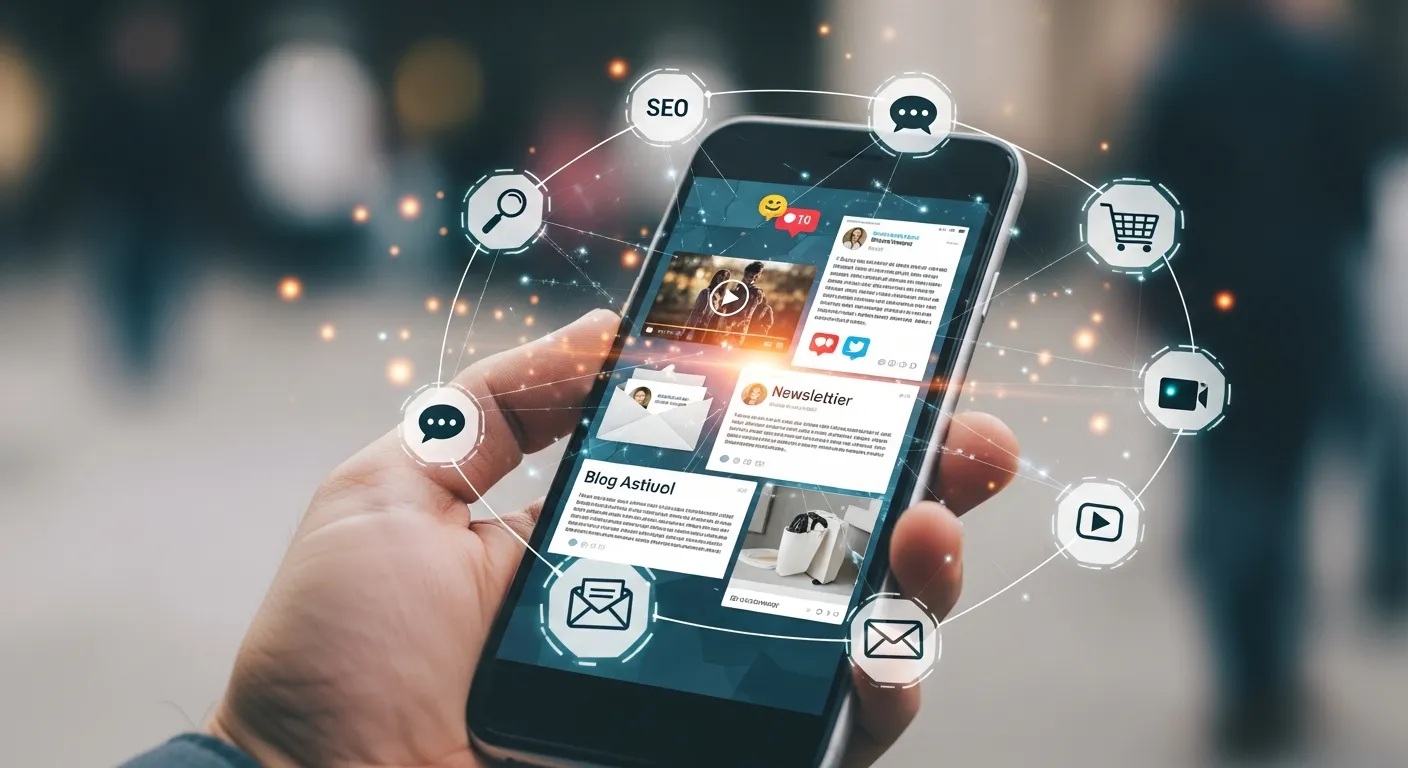
Mobile content marketing starts by producing and optimizing content to work on smartphones and tablets. The move to mobile is inexorable:
-
From the year 2023, mobile accounts for 58.99% of total website traffic around the world.
-
Americans spend an average 4 hours 46 minutes each day on their mobile devices.
-
Over 70% of consumers prefer browsing websites with their phones to a desktop computer such as those from ASUS.
Fail to adapt your content for mobile users and you’re missing out on a huge audience that values convenience and accessibility. On top of all that, search engines have now moved to mobile-first indexing, meaning sites designed for mobile will show up higher in searches than those that are not.
This guide to mobile content marketing puts everything into fresh perspective, including how mobile differs from desktop.
Why Mobile Content Marketing Is Essential
-
Mobile drives 58.99% of global web traffic
-
Americans spend 4+ hours daily on mobile devices
-
Google uses mobile-first indexing
-
Over 70% of users prefer mobile browsing
Failing to optimize for mobile means losing visibility, traffic, and conversions.
Key Differences in Mobile Usage
Attention
Users of mobile devices want information quick! They go in short, sharp bursts—on the train, waiting in line, or during commercials. Your content has to be attention-grabbing right away.
Screen Size
Because of screen limitations, your content must be concise and visually appealing. Long passages, tiny fonts, or unoptimized visual elements will frustrate users.
Interactivity
On mobile devices, people interact differently than on computers. They swipe, pinch to zoom, and tap. Content that promotes interactivity—polls, swipes, videos—often outperforms other forms of media.
Top Strategies for Effective Mobile Content Marketing
1. Prioritize Responsive Design
Your website or app should automatically adapt to the screen it’s being viewed on. A responsive design improves user experience and SEO rankings.
Tools like Google’s Mobile-Friendly Test can help ensure your site meets mobile usability standards.
2. Use Simpler, Scannable Formats
Mobile users skim content. Make your content easy to digest by using:
-
Bullet Points for easy reading.
-
Short Paragraphs of 2–3 sentences.
-
Chunking Information into digestible sections.
-
Subheadings to guide the eye through the page.
3. Leverage Visuals
On mobile, visuals are king. Use:
-
Compressed images for faster loading.
-
Subtitled videos since many watch with sound off.
-
Vertical formats (e.g., Reels, TikToks) to boost engagement.
4. Optimize Page Speed
If your mobile site takes too long to load, people will leave. Improve speed by:
-
Compressing images and videos.
-
Minimizing redirects.
-
Leveraging browser caching.
According to Google, over 50% of users leave if a mobile page takes more than 3 seconds to load.
5. Focus on Local SEO
Many mobile searches are local. To improve local SEO:
-
Create a Google My Business profile.
-
Use location-based keywords (e.g., “best coffee shop in downtown Seattle”).
6. Use Mobile-Conducive Formats
Engage mobile users with:
-
Polls & Quizzes – Combat user burnout and increase click-through rates.
-
Stories – Share updates on platforms like Instagram, Facebook, and LinkedIn.
-
Live Streams – Great for product demos and live Q&A sessions.
7. Make Calls to Action Clear and Actionable
Use bold CTA buttons like:
-
“Sign Up Now”
-
“Get Your Free Trial”
-
“Start Shopping”
Ensure buttons are large enough for thumb tapping.
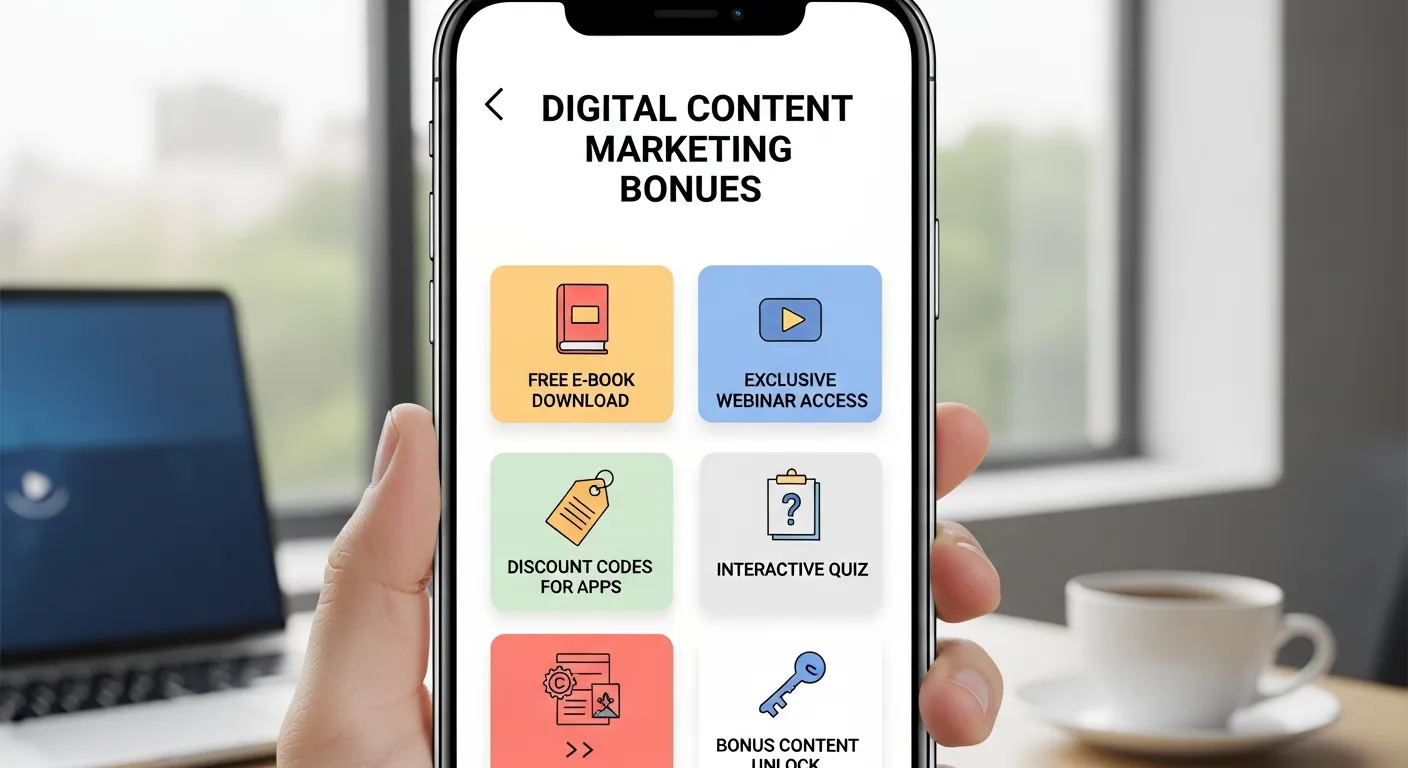
Mobile Content Marketing Bonuses
1) Starbucks
Their mobile app simplifies ordering, offers location-based services, and rewards members with exclusive deals.
2) BuzzFeed
Known for fast-loading listicles and quizzes—perfect for mobile attention spans.
3) Nike
Combines commerce with fitness. Push notifications deliver personalized content, updates, and flash sales.
Measuring Mobile Content Marketing Success
Track these metrics:
-
Mobile Traffic – Use Google Analytics to track visits from mobile.
-
Click-Through Rate (CTR) – Know which CTAs drive engagement.
-
Bounce Rate – High rates may indicate poor mobile design.
-
Conversion Rate – Track sign-ups, purchases, or other goals from mobile users.
Mobile-First Future for Content Marketing
In today’s world, content must be mobile-first to survive. By providing fast, visually-rich, engaging mobile content, you’ll not only keep up—you’ll stay ahead.
Now is the time to make your content mobile-first. Focus on delivering fast, engaging, and visually-rich experiences that resonate with your audience. The future of content marketing is mobile, and you are ready for it!
Mobile Video Marketing
Mobile users consume more video than ever, making mobile video marketing a key strategy. Short-form videos like Reels, TikToks, and Shorts increase engagement, while interactive live streams encourage real-time interaction. Videos optimized for vertical screens and quick load times enhance retention. Adding captions ensures accessibility, as many users watch without sound. Brands can showcase tutorials, demos, or storytelling content directly on mobile platforms. Analytics track watch time, completion rates, and conversions. With mobile video, marketers can boost brand awareness, explain complex products, and build emotional connections with users, all while driving clicks, shares, and purchases on mobile devices.
Mobile Social Media Integration
Mobile content succeeds when integrated with social media platforms. Brands should tailor content for mobile feeds on Instagram, TikTok, Facebook, and LinkedIn, focusing on visual storytelling, interactive polls, and swipeable content. Optimized posting schedules based on mobile usage data increase reach and engagement. Hashtags, tagging, and location features improve discoverability. Social media analytics guide content adjustments, revealing what resonates with mobile audiences. Integration enables cross-platform campaigns, linking posts to mobile landing pages, shops, or apps. With social-driven mobile content, businesses can strengthen brand recognition, increase traffic, and convert mobile users into loyal customers, leveraging the power of social sharing and virality.
Mobile Email Marketing
Mobile email optimization is critical since over 60% of emails are opened on phones. Emails should use responsive templates, concise copy, and visually appealing design. Large CTA buttons and scannable layouts enhance usability. Personalized emails, segmentation, and mobile-specific offers increase open and click rates. Testing subject lines and email load speed improves performance. Integrating videos or GIFs can boost engagement. Tracking mobile-specific metrics, such as device type, open rate, and click-through rate, helps refine campaigns. Mobile email marketing drives conversions by meeting users where they are, delivering timely, relevant, and visually compelling messages that encourage interaction, purchases, or app engagement.
Mobile Push Notifications & In-App Messaging
Push notifications and in-app messages keep mobile users engaged in real-time. They deliver personalized updates, promotions, reminders, or content recommendations. Effective campaigns use segmentation, geolocation, and behavioural triggers to reach users when most likely to act. Messages should be concise, actionable, and visually appealing. Overuse or poor timing can cause users to opt out. Tracking click-through rates, opt-ins, and conversions measures campaign effectiveness. Mobile push notifications increase retention, drive repeat visits, and enhance loyalty. In-app messaging complements content marketing by guiding users through their mobile journey, providing timely information, and nudging them toward desired actions like purchases or downloads.
Mobile Analytics & Performance Tracking
Data drives mobile content marketing success. Using tools like Google Analytics, Firebase, and mobile heatmaps, brands track traffic, engagement, conversions, and retention. Metrics include page load speed, CTR, scroll depth, session duration, and device type. Segmentation by geography, demographics, and behavior uncovers insights for optimization. A/B testing helps refine headlines, visuals, and CTAs. Mobile-specific analytics identify bottlenecks like slow pages, broken links, or unresponsive elements. Continuous monitoring ensures content aligns with user preferences and market trends. Leveraging these insights allows marketers to improve ROI, enhance user experience, and make data-driven decisions for mobile-first campaigns across all platforms.
Mobile Content Distribution & Promotion Strategy
Creating mobile-optimized content is only half the work—effective distribution ensures it reaches the right audience at the right time. Mobile users primarily discover content through social feeds, search, push notifications, and messaging apps. Brands should prioritize platforms like TikTok, Instagram, YouTube Shorts, and mobile search results for visibility. Scheduling content around peak mobile usage hours improves engagement, while paid mobile ads help amplify reach quickly. Push notifications, SMS campaigns, and in-app messages can re-engage existing users with personalized updates. A well-planned mobile distribution strategy maximizes content lifespan, boosts return on investment, and ensures your mobile content consistently drives traffic, engagement, and conversions.
Mobile Content Marketing for NFT Projects
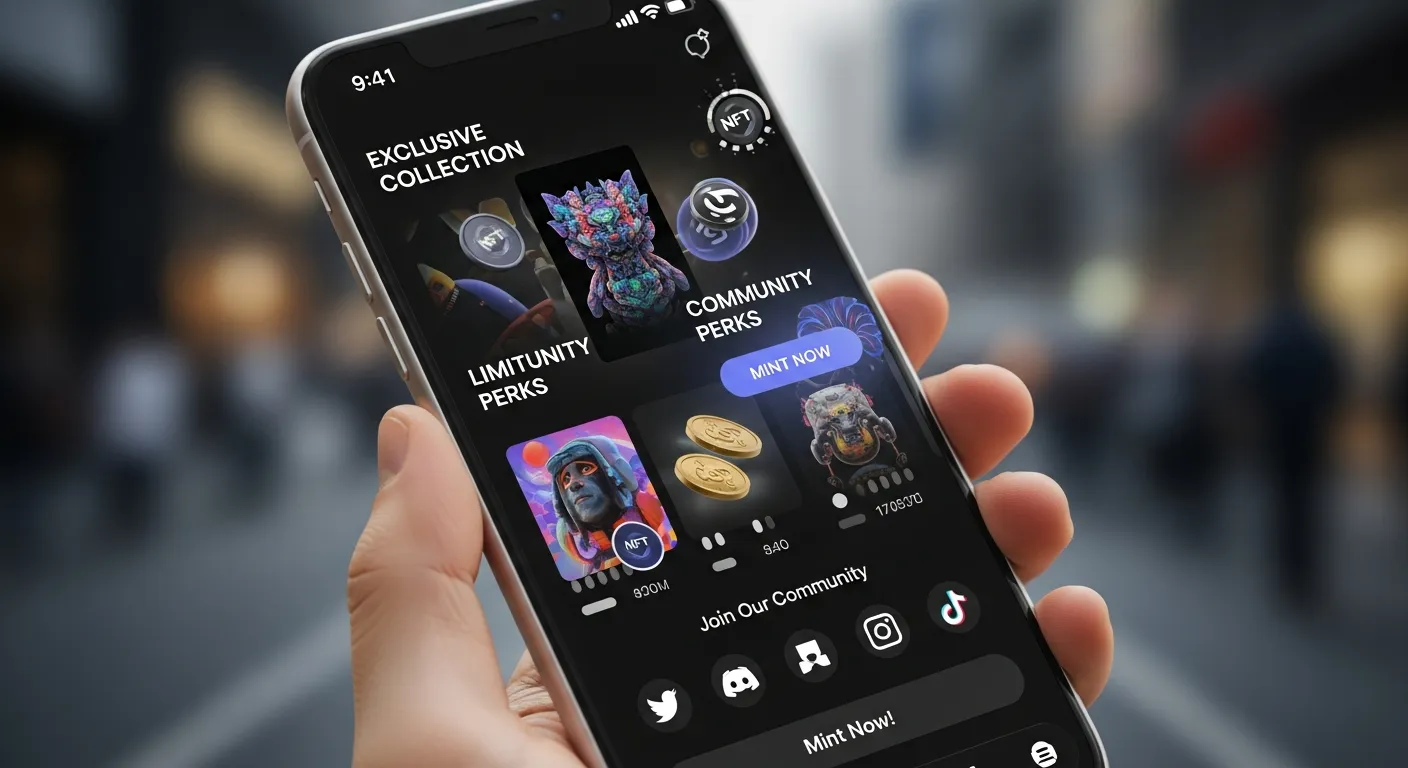
Mobile content marketing plays a vital role in NFT promotion and community building. Short-form videos, interactive stories, and live streams help explain complex blockchain concepts, showcase digital artwork, and announce NFT drops. Mobile-first platforms like TikTok and Instagram allow creators to humanize projects, introduce founders, and build trust. Wallet tutorials, mint countdowns, and community updates delivered via mobile content drive higher participation. Since most users discover NFTs through social platforms on mobile, optimizing NFT storytelling for mobile ensures wider reach, stronger engagement, and increased collector conversion.
Real-World Mobile Content Marketing Examples
-
Starbucks: Mobile app rewards, ordering, and location-based offers
-
BuzzFeed: Fast-loading quizzes and listicles optimized for scrolling
Nike: Personalized push notifications and fitness-commerce integration
Conclusion
Mobile content marketing is no longer just a trend—it has become the foundation of modern digital strategy. With smartphones dominating internet usage, businesses must prioritize speed, usability, and visually engaging content to capture users’ attention. Mobile-first storytelling allows brands to connect with audiences in real-time, delivering personalized experiences that drive engagement, loyalty, and conversions. Optimizing for mobile ensures seamless navigation, fast load times, and accessible layouts, which directly impact search rankings and user retention. Companies that embrace responsive design, interactive formats like polls and videos, and location-based targeting will outperform competitors, strengthen customer relationships, and future-proof their growth in an increasingly mobile-driven world where convenience, relevance, and immediacy are key.
Frequently Asked Questions (FAQs)
What is mobile content marketing?
Mobile content marketing involves creating and optimizing content specifically for smartphones and tablets. It focuses on fast-loading, visually engaging, interactive formats that are easy to consume on smaller screens.
Why is mobile content marketing important?
With over half of global web traffic coming from mobile devices, optimizing for mobile ensures higher engagement, better search rankings, and increased conversions. Ignoring mobile users can lead to lost revenue and poor brand perception.
How is mobile content different from desktop content?
Mobile content must be concise, visually appealing, and scannable. Users expect shorter text, larger buttons, vertical videos, and interactive elements, unlike desktop content which can handle longer articles and complex layouts.
What content formats work best on mobile?
Short videos, stories, reels, interactive polls, infographics, slideshows, and live streams perform best on mobile. These formats are easy to consume and encourage user engagement on small screens.
How does mobile SEO impact rankings?
Search engines now use mobile-first indexing. Optimized mobile content improves page speed, usability, and accessibility, directly impacting visibility, click-through rates, and organic traffic.
Why is page speed critical for mobile users?
Mobile users expect near-instant load times. Pages that take more than 3 seconds to load see higher bounce rates, lower engagement, and missed conversion opportunities.
How do calls-to-action (CTAs) differ on mobile?
Mobile CTAs must be large, easily tappable, and prominently placed. Short, action-oriented text like “Shop Now” or “Sign Up” encourages interaction on smaller screens.
Can mobile content support eCommerce sales?
Yes, mobile-friendly content drives purchases via optimized product pages, shoppable videos, instant checkout, push notifications, and interactive promotions.
How does mobile personalization work?
Mobile personalization leverages user data such as location, browsing history, and behavior to deliver tailored content, product recommendations, and notifications that boost engagement and conversions.
Is mobile content marketing expensive?
Costs vary depending on content type, platform, and production quality. However, mobile content often offers higher ROI because it directly reaches the growing segment of mobile users.
How does mobile content help NFT marketing?
Mobile-first content allows NFT creators to showcase digital art, explain collections, and provide live drop updates. Engaging mobile experiences help convert casual browsers into collectors and build community trust.
What tools help measure mobile content performance?
Tools like Google Analytics, Hotjar, SEMrush, Ahrefs, and social media insights track mobile traffic, engagement, CTR, conversions, bounce rates, and user behavior to refine strategy.